Common Korean Texting Abbreviations and When to Use Them

Person typing Hangul laughter and reaction symbols in a casual smartphone conversation

Korean texting abbreviations belong mainly in casual conversation. Forms such as ㅋㅋ, ㅇㅇ, and ㄱㄱ are natural between friends, close classmates, gaming partners, and peers who already text informally. With a professor, client, supervisor, new acquaintance, or anyone whose preferred tone is unclear, full words are the safer starting point. Many abbreviations retain only the … Read more
Korean Restaurant Table Words: A Practical Guide to Self-Service, Refills, and Ordering Signs

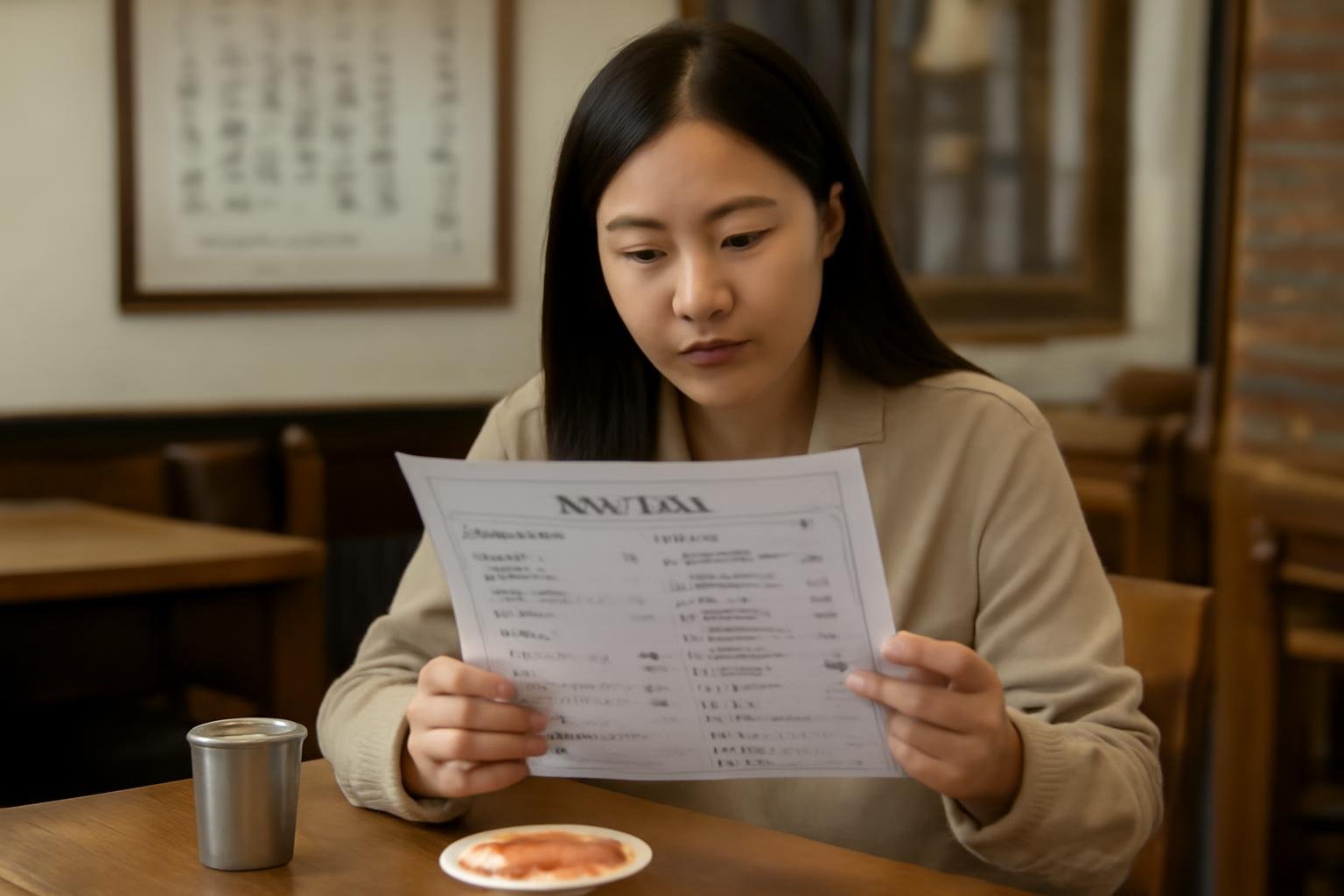
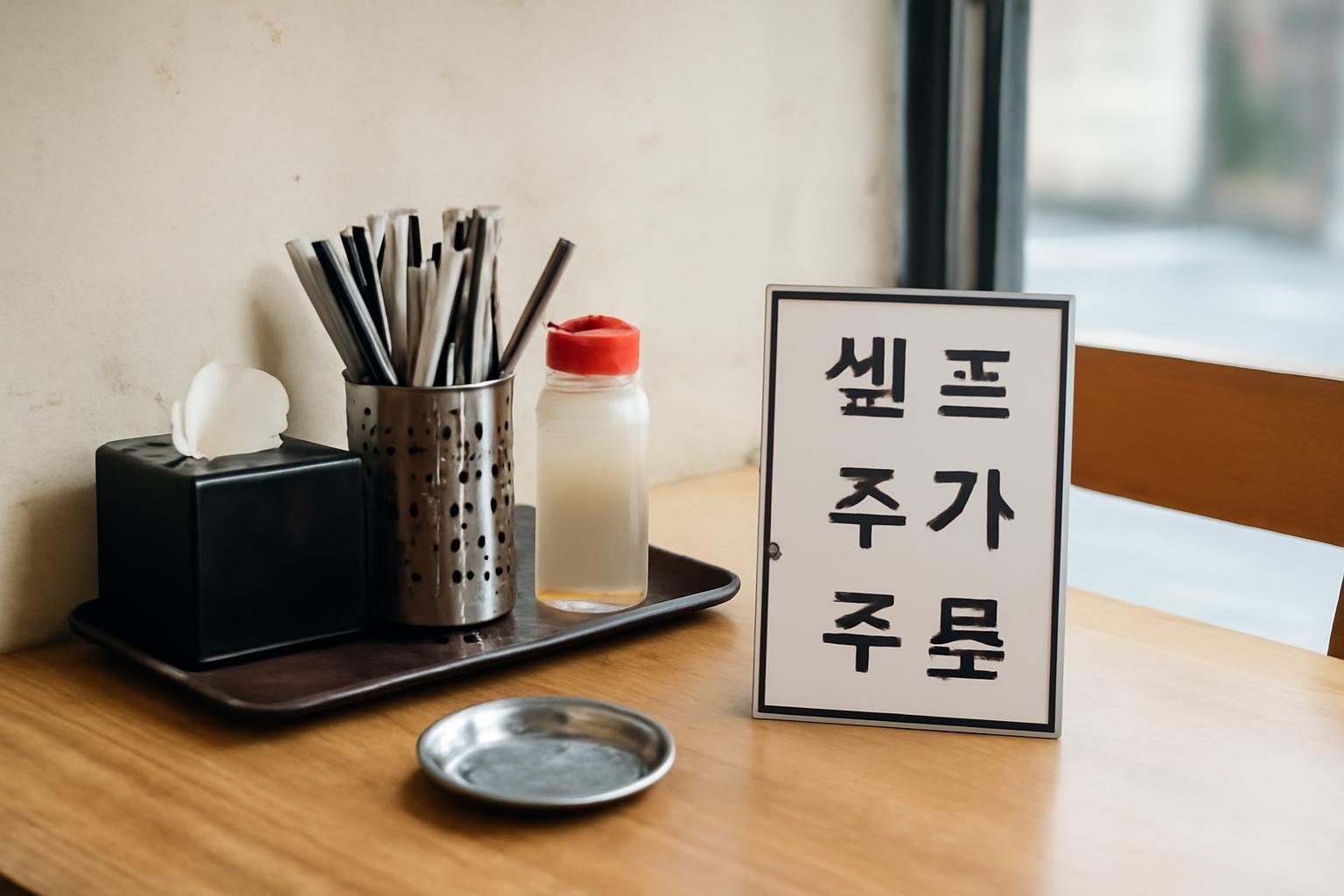
Korean restaurant table with side dishes, metal chopsticks, and a self-service sign

Korean restaurants often place short instructions on tables, walls, condiment containers, and self-service stations. The words are usually simple, but knowing them can make a meal much easier—especially when you need more side dishes, want to find the utensils, or are unsure whether something is included. This guide covers practical Korean restaurant vocabulary you are … Read more

How Korean Speech Levels Work—and Why They Matter

Coworkers choosing polite forms of address during a conversation in a Seoul office

Korean speech levels are sentence-ending systems that position the speaker in relation to the listener. They can express politeness, familiarity, social distance, professional formality, or deliberate intimacy. The right choice depends on the relationship and setting—not simply on who is older. For learners seeking Korean speech levels explained in practical terms, three styles matter most … Read more

How to Read Korean Addresses and Write Them in English

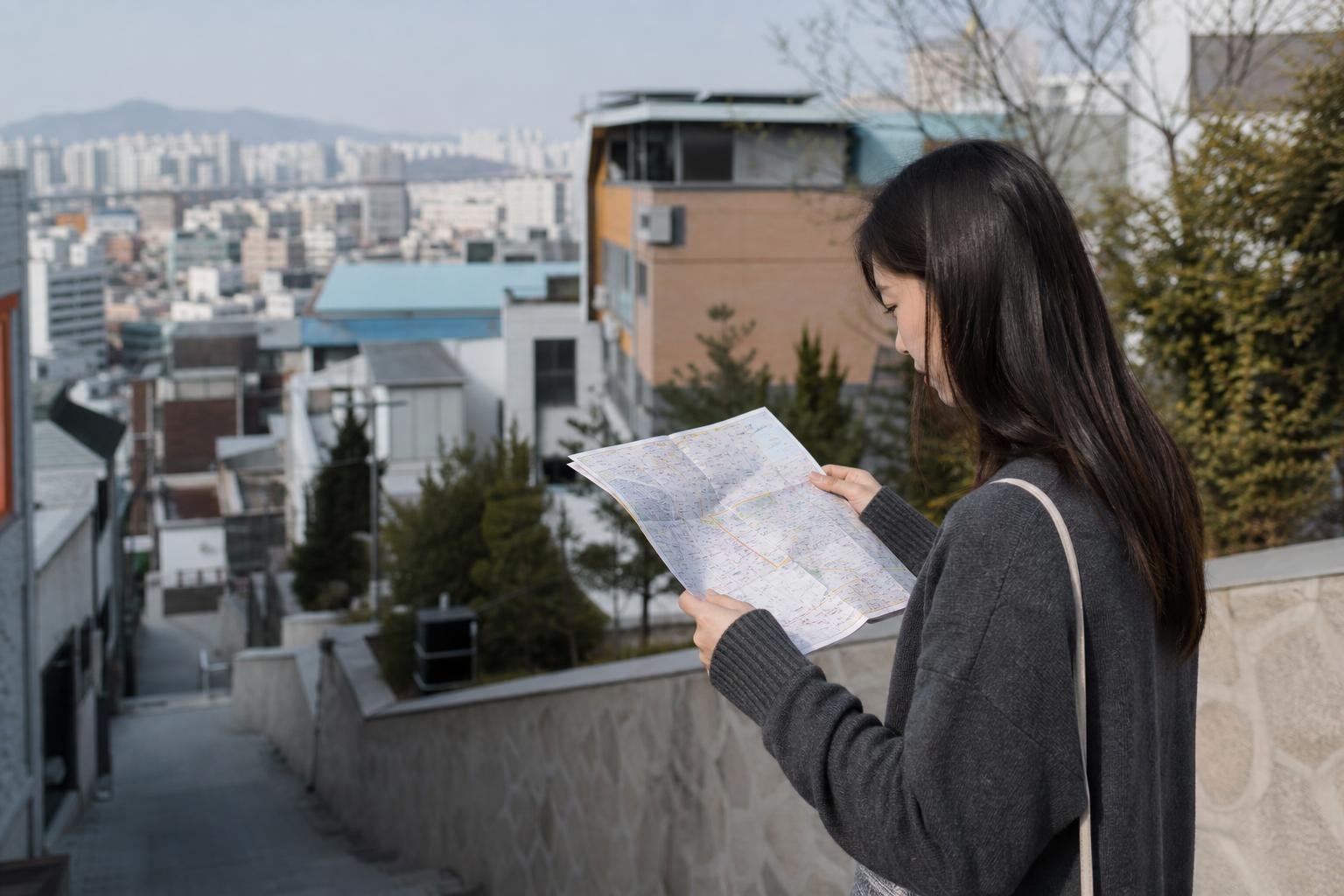
Blue Korean road-name sign mounted above a numbered building entrance

Korean addresses are normally written from the largest area to the smallest: city or province, district, road, building number, and then floor or unit details. In English, the practical order runs the other way: detailed destination first, followed by the road, district, city or province, postal code, and country. If you need to know how … Read more

Korean Counters and Number Words: When to Use 하나, 일, and Native Korean Numbers

Study cards pairing native and Sino-Korean numerals with objects, dates, prices, and clock times

The short answer: Korean normally uses native Korean numbers for familiar quantities such as 한 개 (one item), 두 명 (two people), 세 마리 (three animals), and 네 시 (four o’clock). It uses Sino-Korean numbers for dates, prices, measurements, minutes, phone digits, floors, and many numbered labels: 일 월 (January), 오천 원 (5,000 won), and … Read more

How to Say “Excuse Me” in Korean Depending on the Situation

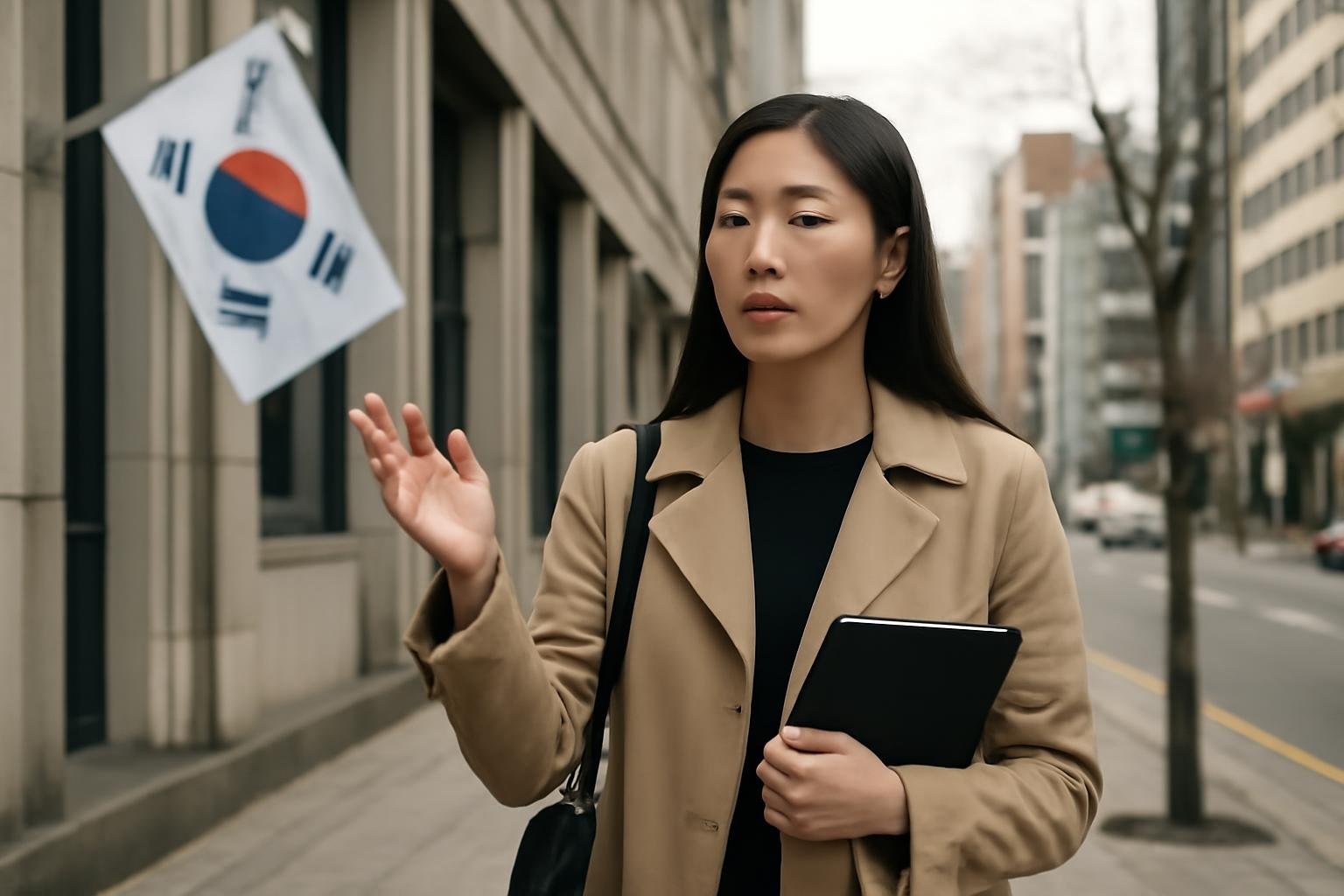
A person politely asking for directions on a busy Korean street

There is no single Korean word that covers every use of English “excuse me.” The best expression depends on what you mean: getting someone’s attention, apologizing for a small mistake, asking someone to repeat themselves, or squeezing past people. For many everyday situations, 저기요 (jeogiyo) is the most useful starting point. It means something like … Read more

How Korean Learners Should Use Names, Titles, and 씨

Two Korean speakers greeting each other in a workplace while discussing names and titles

Learning how to address people in Korean is less about memorizing one Korean equivalent of “you” and more about recognizing the relationship between speakers. In everyday Korean, names, job titles, kinship terms, and honorific forms all communicate distance, familiarity, respect, and sometimes social role. For learners, the safest principle is simple: use a person’s title … Read more