Practical, carefully edited guides to everyday life, travel, food, language, and etiquette in South Korea — written for international readers who need clear answers, not tourist-brochure filler.
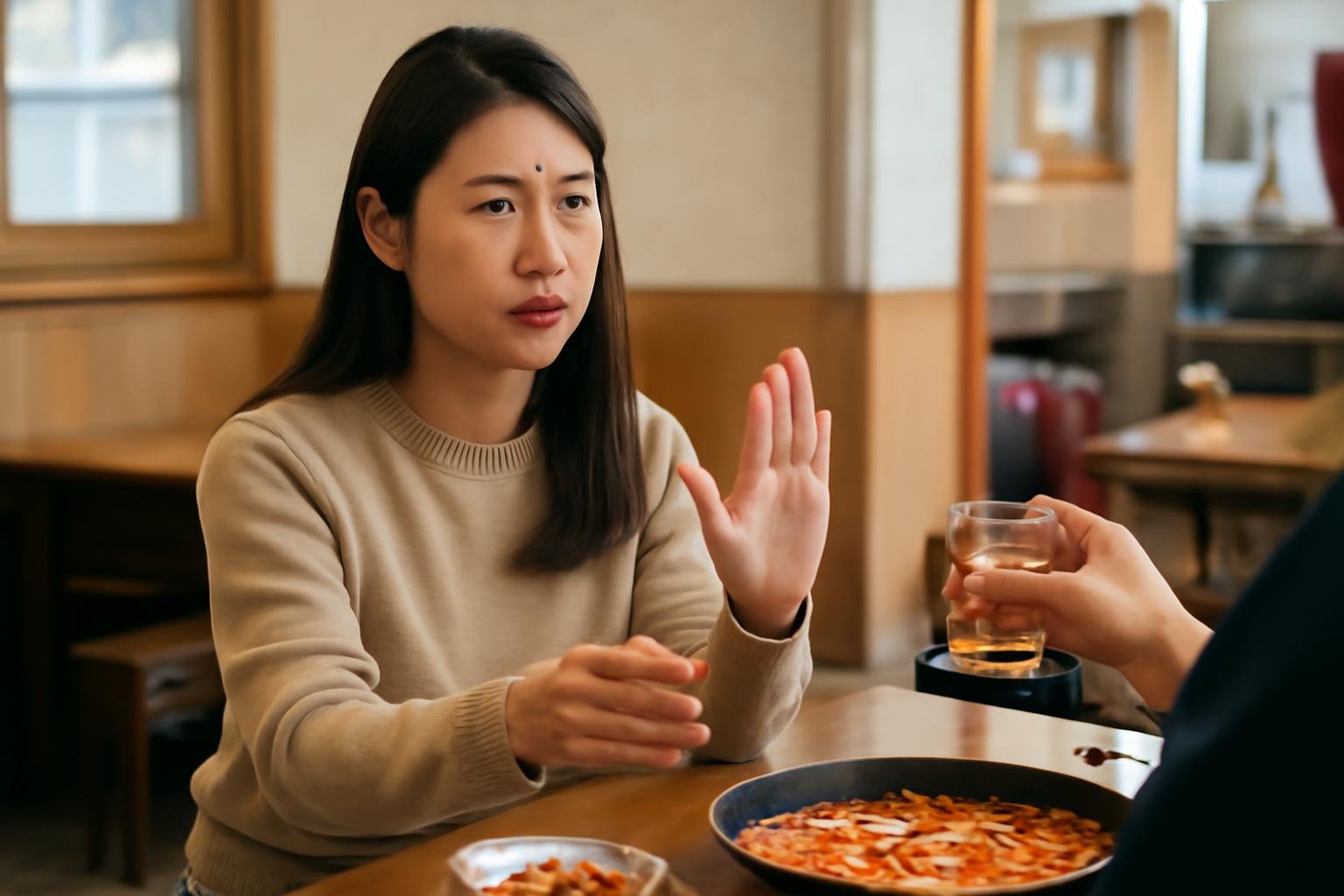
In Korea, refusing an offer of food or alcohol is usually not rude. The important part is to acknowledge the offer warmly, give a brief reason when useful, and make your refusal clear enough that the other person does not keep serving you. A natural basic response is 괜찮아요 (gwaenchanayo), meaning “I’m okay” or “No, … Read more
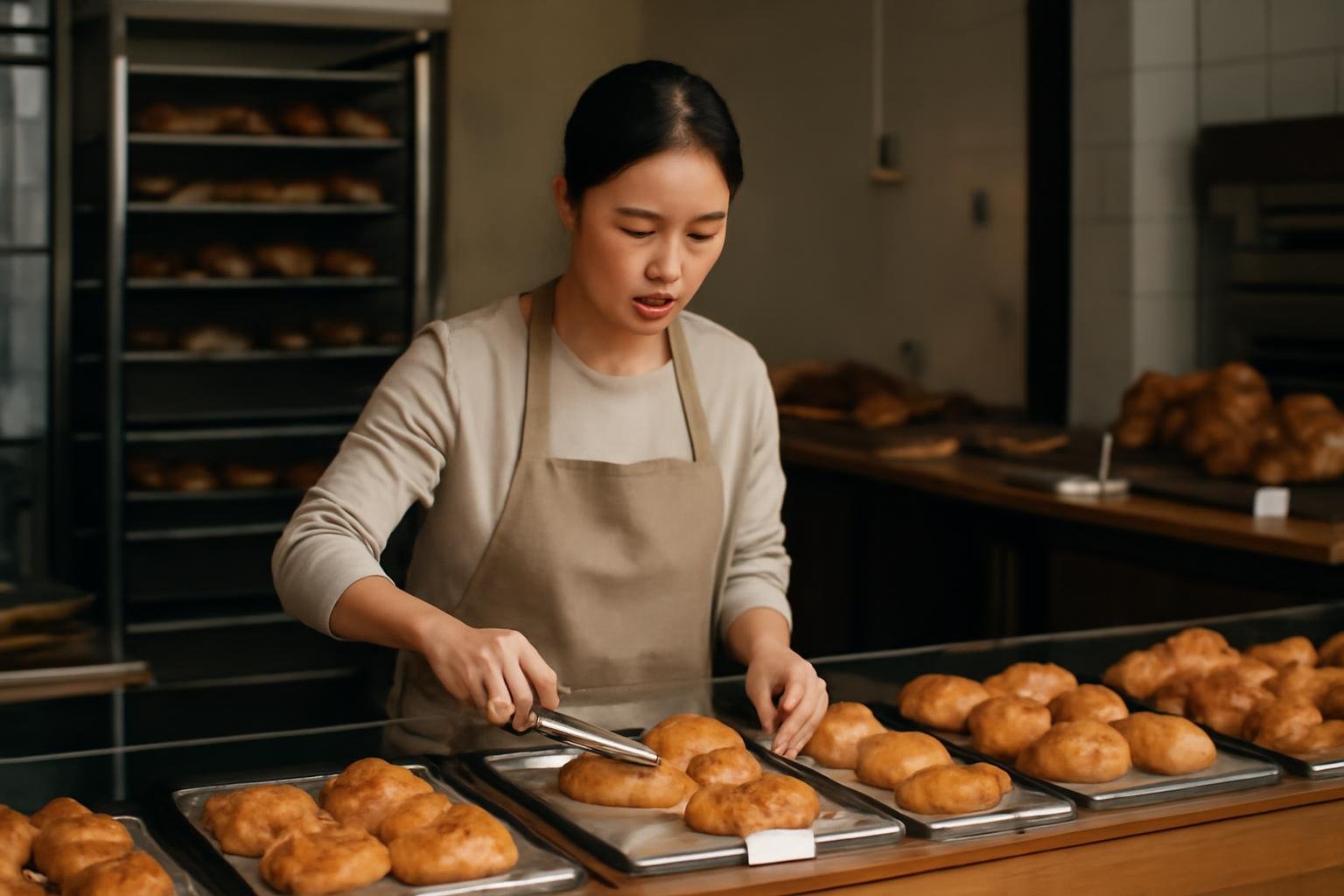
To use a typical Korean bakery, take a tray and tongs, select individual items from the open shelves, and bring everything to the cashier. Staff usually count or scan the products, package them, and take payment. Cakes, drinks, sandwiches, and delicate pastries may follow a separate ordering process. The exact system varies. A large chain … Read more
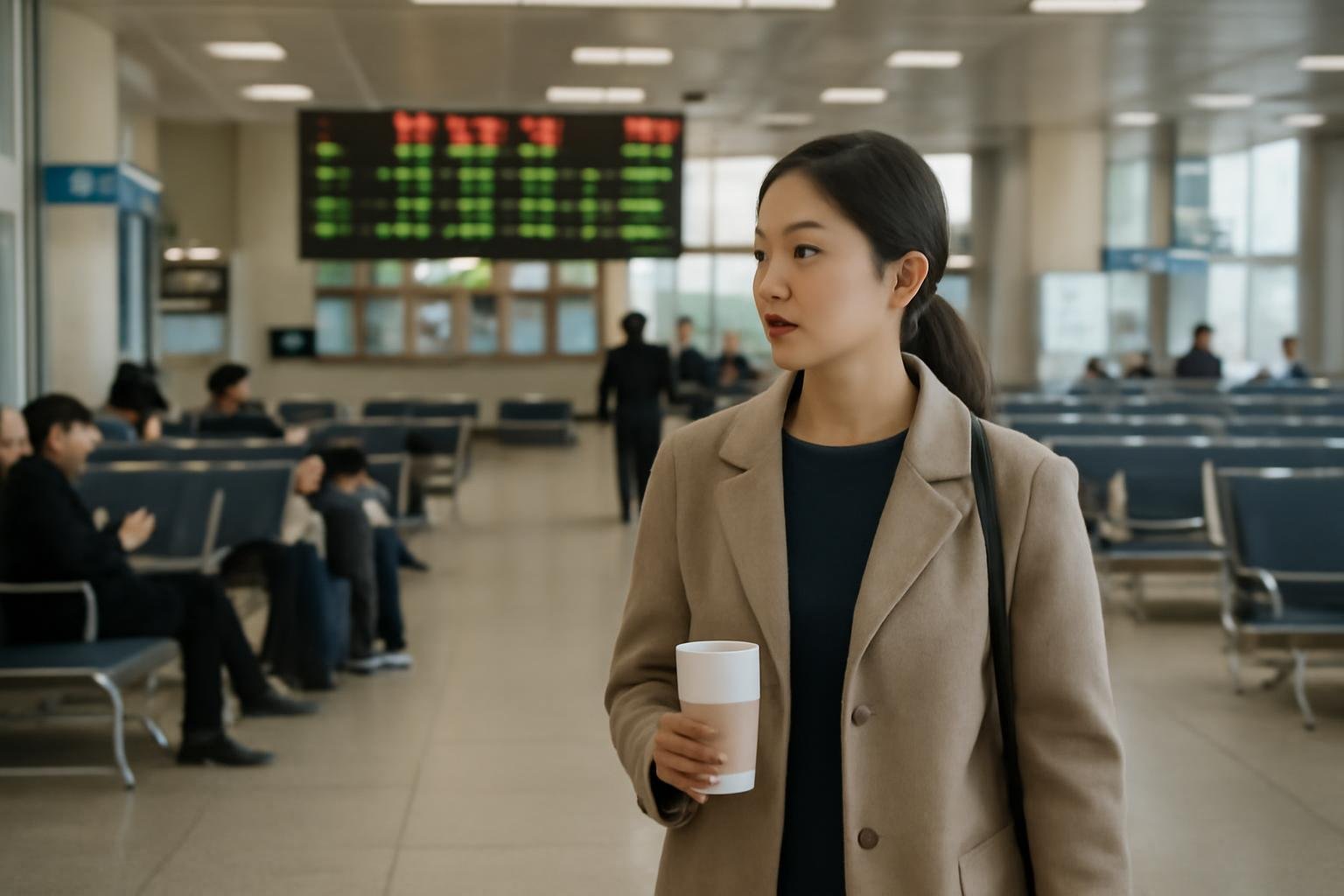
Korea’s intercity bus terminals are more than places to wait for a coach. They are compact transport hubs where regional travel, convenience stores, snack counters, ticket windows, parcel services, taxis, and local routines meet. For travelers, they are often the easiest way to reach smaller cities, coastal towns, mountain destinations, and places the railway network … Read more
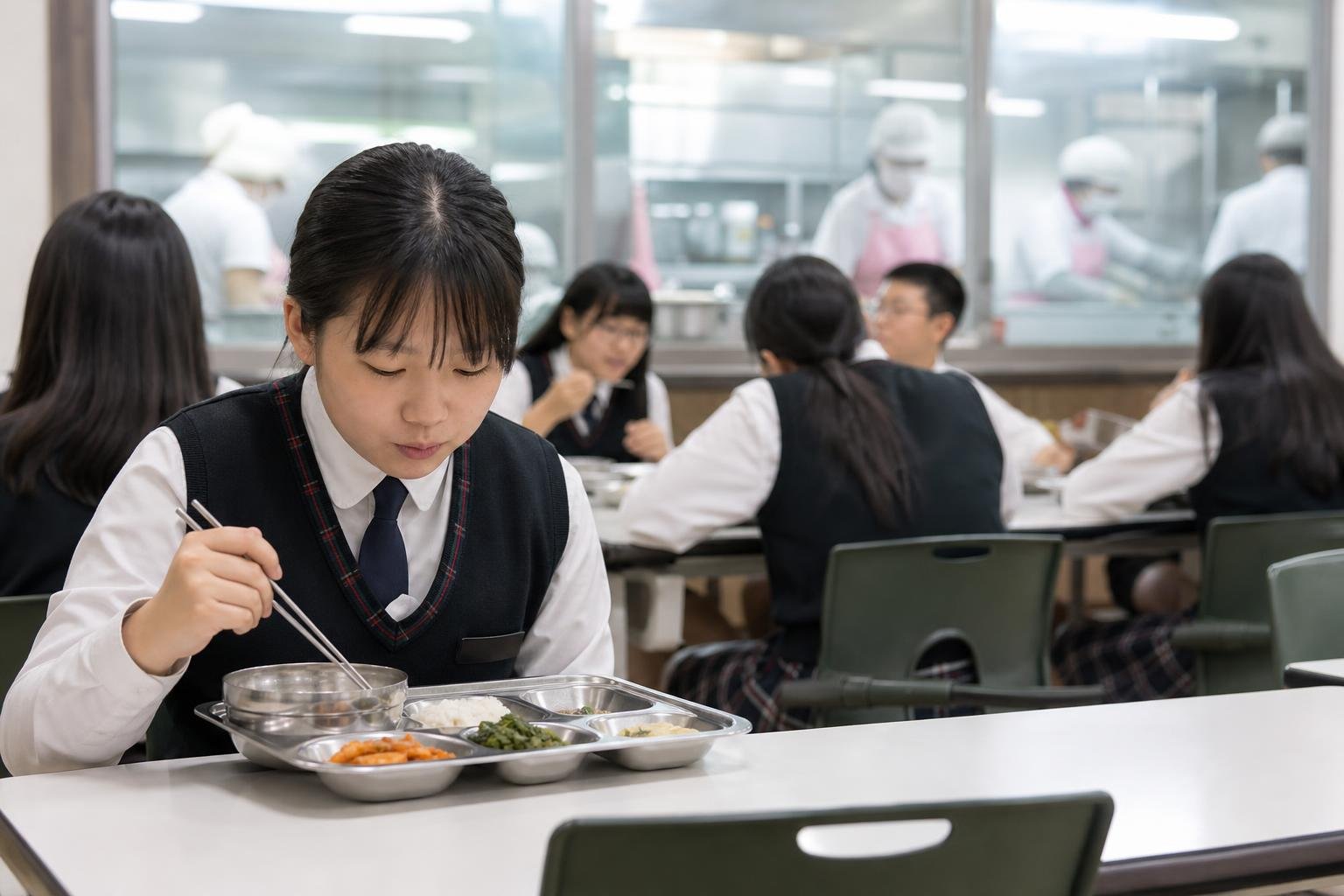
Korean school lunch is usually a planned meal served during the school day, not a cafeteria purchase made one item at a time. In public elementary, middle, and high schools, students commonly receive geupsik (급식), a set meal prepared or arranged by the school. For international families, the important questions are how the menu is … Read more
Korean texting abbreviations belong mainly in casual conversation. Forms such as ㅋㅋ, ㅇㅇ, and ㄱㄱ are natural between friends, close classmates, gaming partners, and peers who already text informally. With a professor, client, supervisor, new acquaintance, or anyone whose preferred tone is unclear, full words are the safer starting point. Many abbreviations retain only the … Read more
Public Wi-Fi in Korea can be useful for maps, messages, translation, and quick browsing, but it should supplement—not replace—a mobile connection. The safest approach is to connect only to a network whose name you can verify, use a secure option when available, and keep an eSIM or SIM active for navigation and sensitive tasks. Where … Read more
When Koreans say 파이팅 (paiting), they are not telling someone to fight. They are offering encouragement: “You’ve got this,” “Good luck,” “Keep going,” or “Let’s do this.” The expression comes from English vocabulary, but it functions as a Korean interjection with its own meaning and usage. People say it before exams, presentations, performances, games, workouts, … Read more
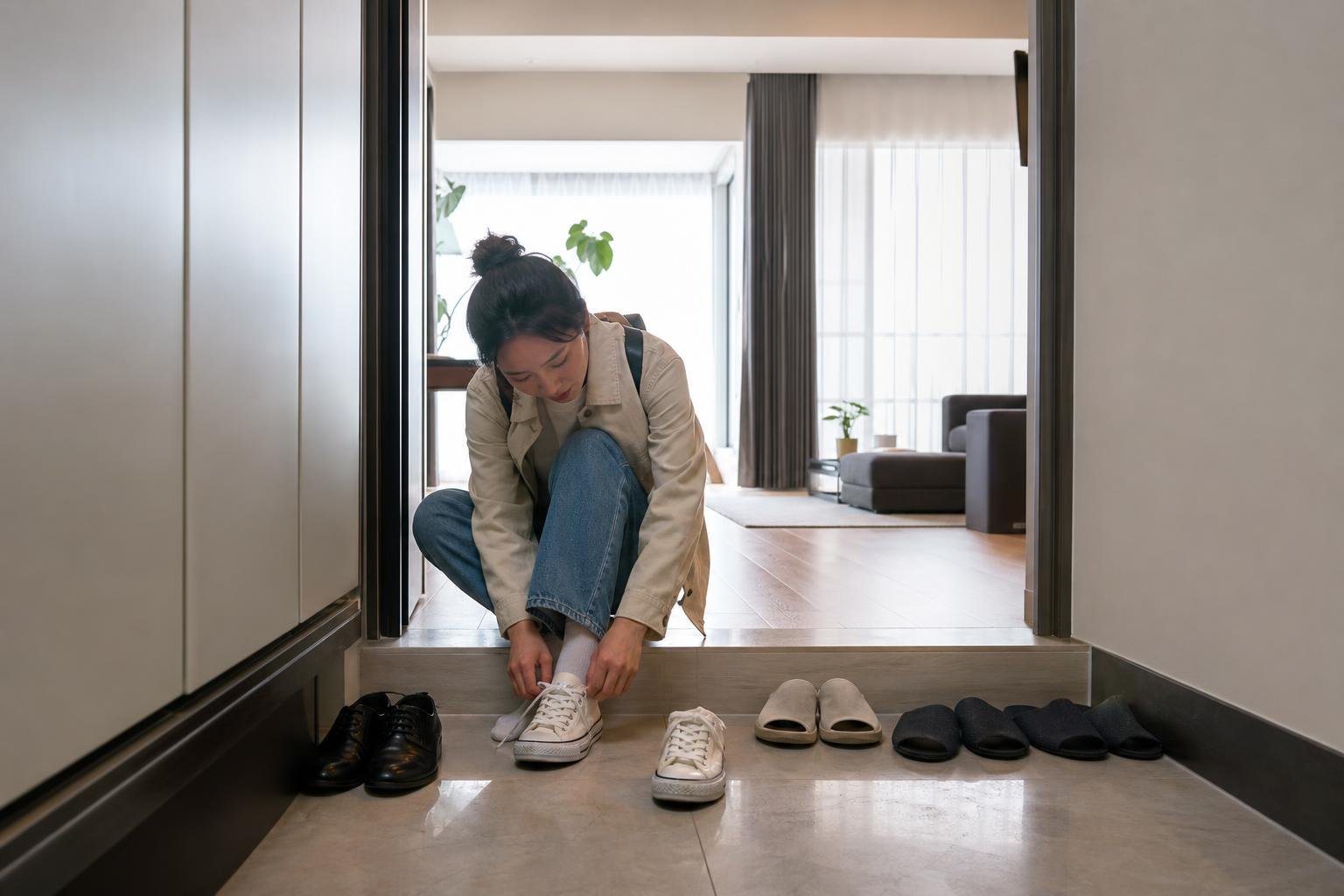
Koreans generally remove outdoor shoes when entering a home because the floor is treated as clean living space. People may sit, stretch, play with children, eat at a low table, or lay out bedding there. Walking across it in shoes worn outside would feel much like putting those shoes on a sofa or bed. The … Read more
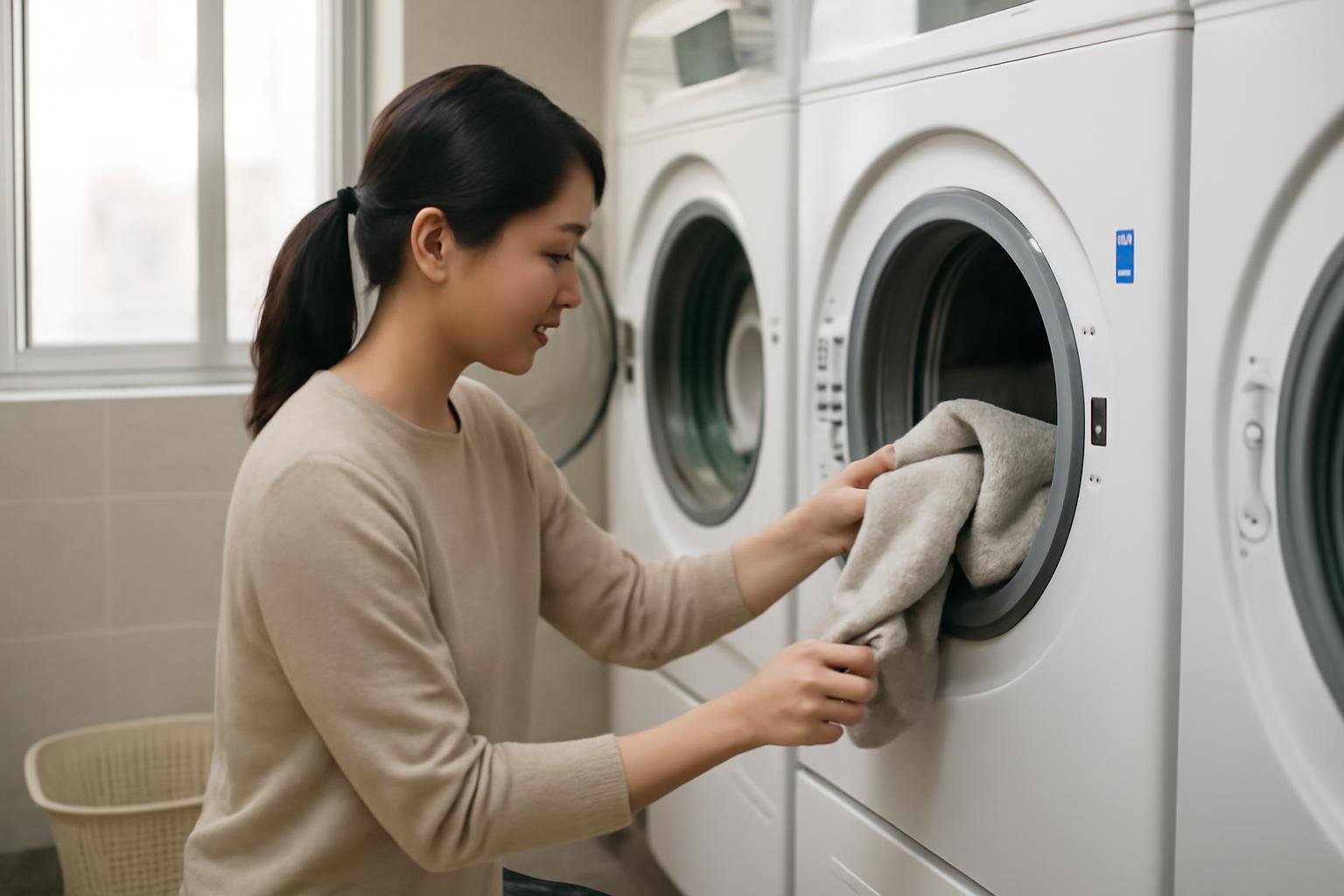
If you need to wash clothes in Korea but do not have a machine at home, the easiest option is usually a coin laundry, called 코인세탁방 (koin setakbang). You will also find shared washing machines in some guesthouses, dormitories, apartment buildings, and officetels. The basic process is simple: sort your clothes, choose a machine, pay, … Read more
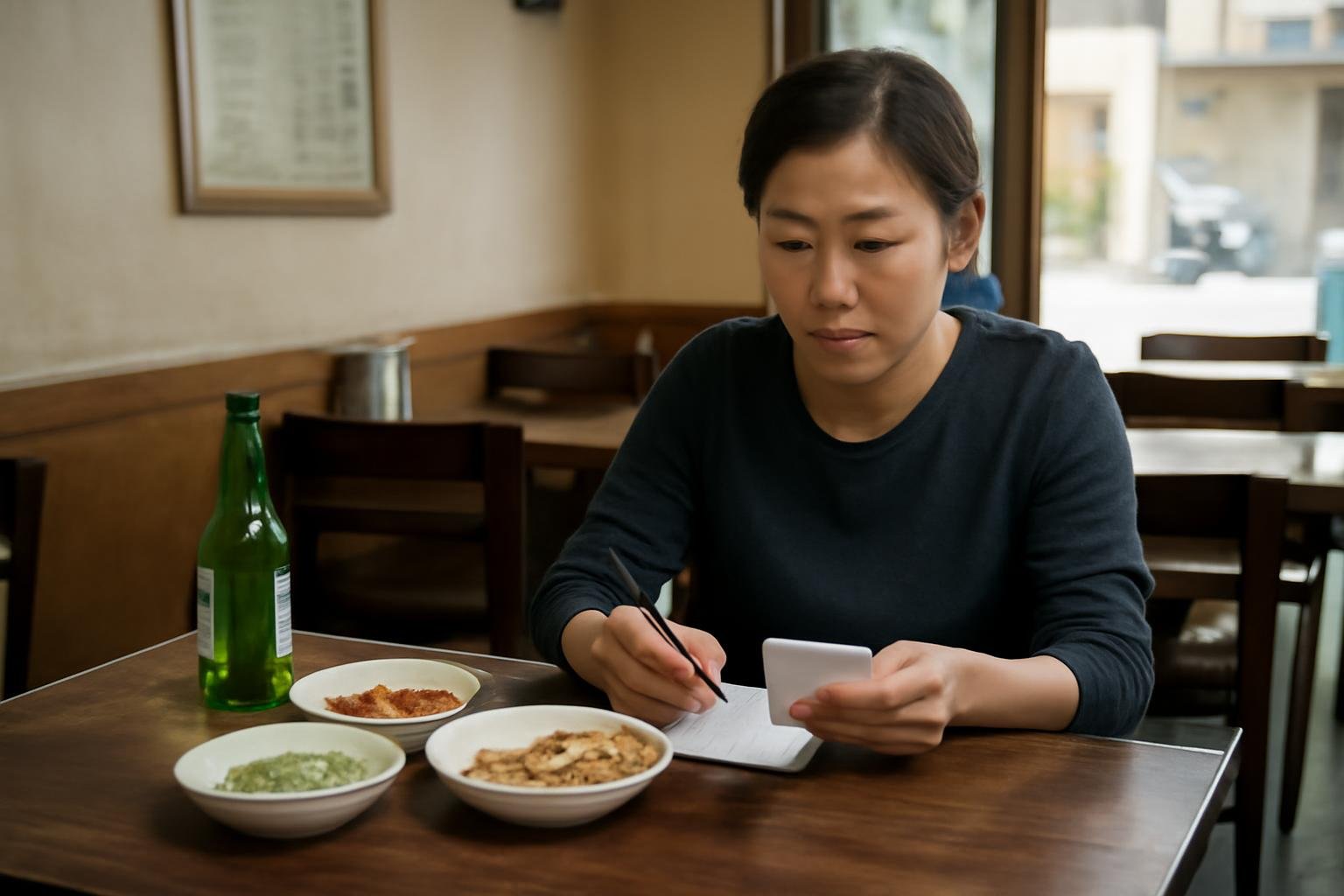
In South Korea, the amount shown on the menu is usually the amount you should expect to pay. At ordinary restaurants, cafés, bars, and taxis, tipping is not a standard part of the transaction, and staff generally do not expect an additional percentage after service. If a card terminal, delivery app, or payment screen asks … Read more