What to Expect at a Korean Public Bathhouse or Jjimjilbang
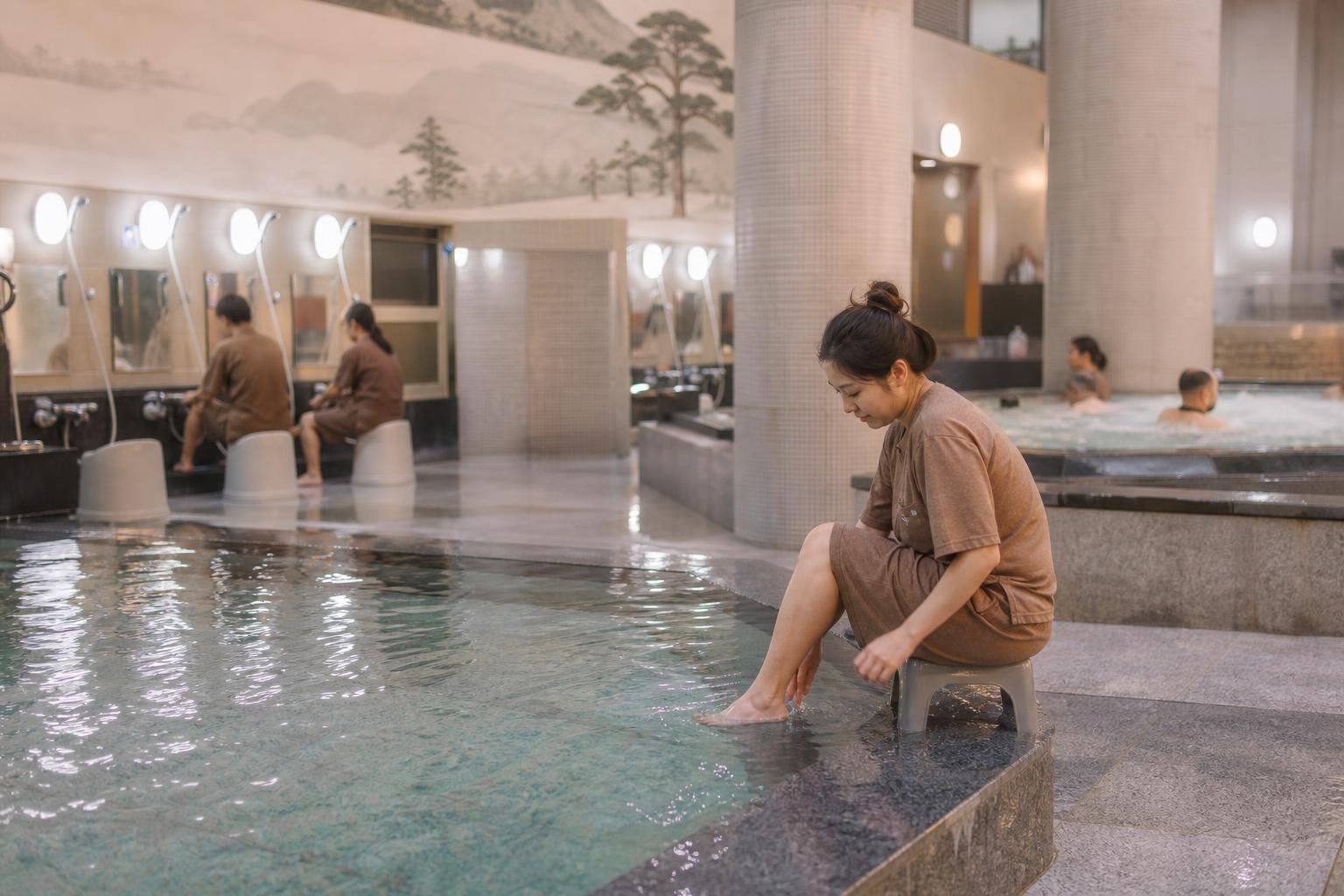
Guests wearing matching shorts and shirts resting on a heated floor in a shared jjimjilbang lounge

A Korean bathhouse normally has a sex-separated bathing section where guests are nude. A larger jjimjilbang also has shared lounges and heated rooms where everyone wears the supplied shirt and shorts. The essentials are simple: remove your shoes, store your belongings, wash thoroughly before entering a pool, keep towels out of the water, and never … Read more

What Are Chaebol? How Family-Controlled Conglomerates Shape Korean Life

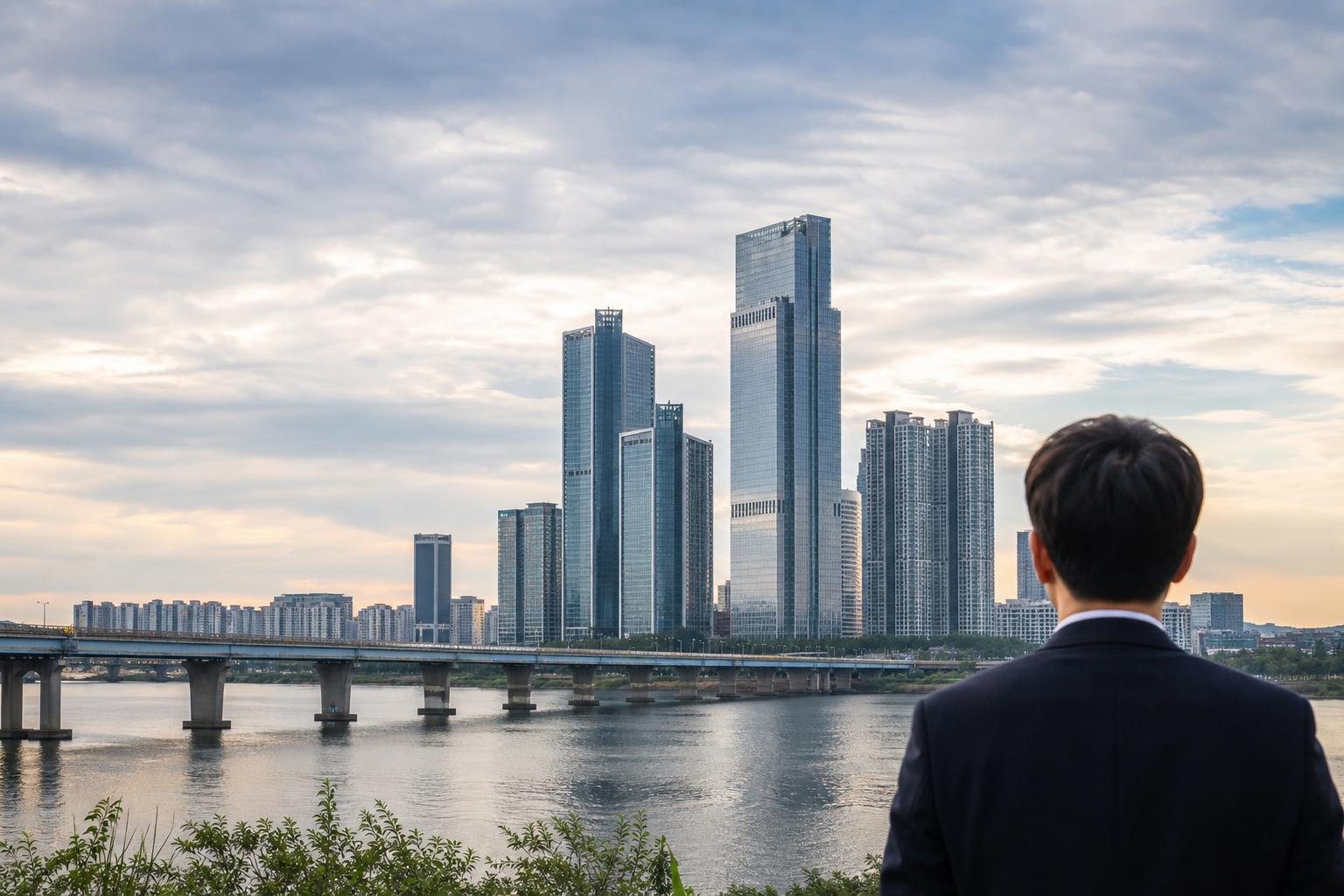
Seoul business district with towers displaying several major Korean corporate brands

Chaebol are large South Korean business groups whose many legally separate companies are coordinated under common control, usually with a founding family at the center. Samsung, SK, Hyundai Motor, LG, Lotte, Hanwha, and CJ are well-known examples. Calling them “family-owned conglomerates” is convenient but slightly misleading. The controlling family rarely owns every affiliate—or even a … Read more

How to Order Korean Barbecue: A First-Timer’s Guide

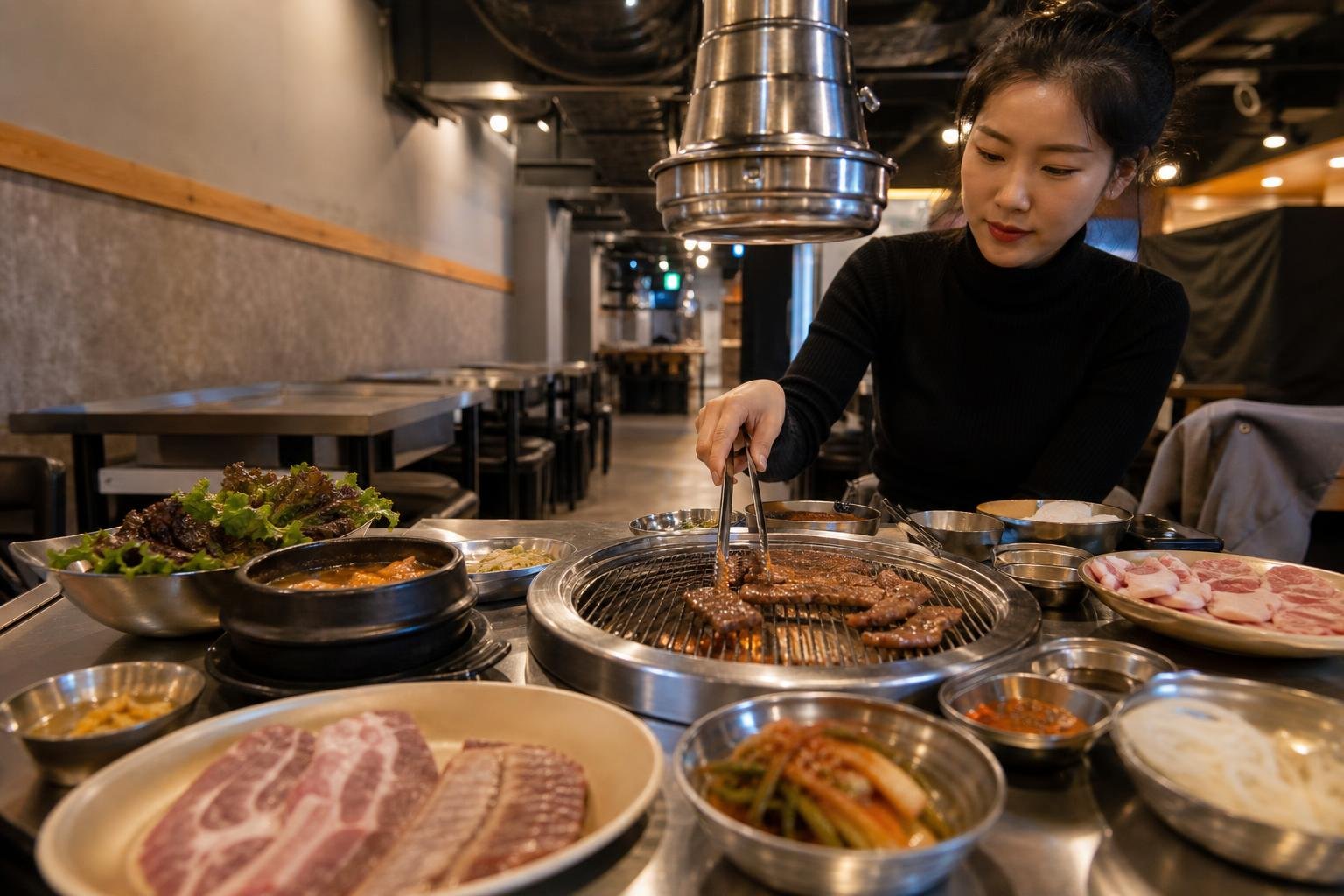
Two diners reviewing a meat menu beside a built-in charcoal grill in Seoul

To order Korean barbecue for the first time, check the minimum order and gram weight, choose one or two cuts, and start with the smallest quantity the restaurant permits. For two people, that commonly means two portions of meat in total. You can then add another portion or finish with rice, stew, or noodles. This … Read more

How Korean Speech Levels Work—and Why They Matter

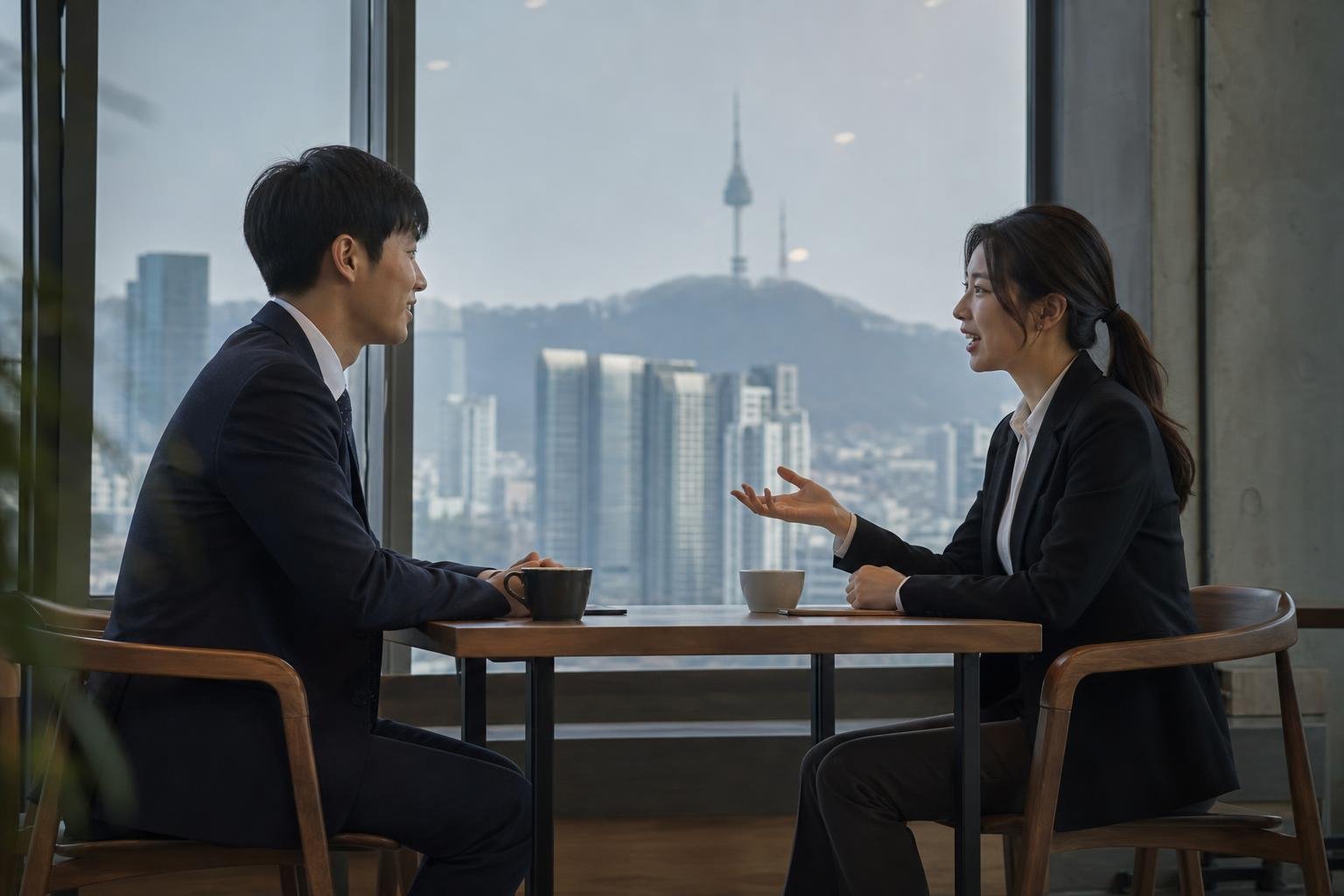
Coworkers choosing polite forms of address during a conversation in a Seoul office

Korean speech levels are sentence-ending systems that position the speaker in relation to the listener. They can express politeness, familiarity, social distance, professional formality, or deliberate intimacy. The right choice depends on the relationship and setting—not simply on who is older. For learners seeking Korean speech levels explained in practical terms, three styles matter most … Read more

Why Koreans Use Job Titles Instead of Saying “You”

Korean team members addressing a colleague during an office meeting

Korean speakers often use a job title where English would use “you” because Korean has no single, neutral second-person pronoun that is polite and natural across relationships. A form such as 팀장님 (timjangnim, team leader) identifies the listener while acknowledging that person’s role. Korean also readily omits subjects and objects, so the most natural equivalent … Read more