What Korean Apartment Maintenance Notices Usually Mean
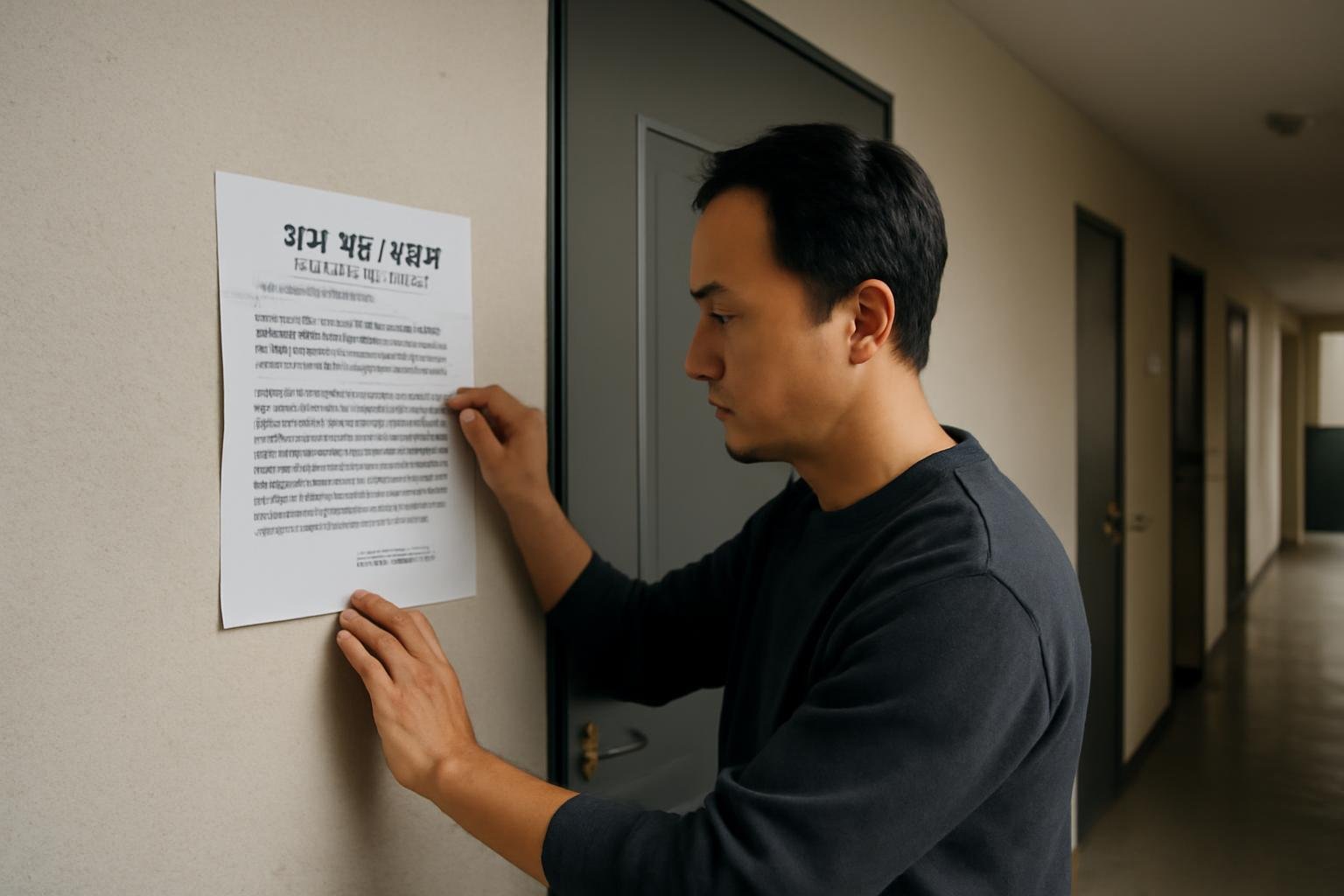
Printed Korean apartment maintenance notice posted beside an elevator

If you live in a Korean apartment, the notice board, elevator, mailbox, or building app may regularly display announcements about inspections, repairs, cleaning, water shutoffs, parking, and maintenance fees. These notices can look formal and difficult at first, but most follow a predictable pattern. The key point is that a Korean apartment maintenance notice usually … Read more


Korean Mobile ID, Phone Verification, and Payments: What Foreigners Can Actually Use

Customer presenting a government-issued mobile ID at a service counter in South Korea

For foreigners in South Korea, a smartphone can make everyday errands much easier—but only when several separate systems recognize you in the same way. A Korean phone number, residence-card record, bank account, payment card, app, and mobile ID are not interchangeable. The practical rule is simple: your Korean mobile number usually needs to be registered … Read more

Korean Counters and Number Words: When to Use 하나, 일, and Native Korean Numbers

Study cards pairing native and Sino-Korean numerals with objects, dates, prices, and clock times

The short answer: Korean normally uses native Korean numbers for familiar quantities such as 한 개 (one item), 두 명 (two people), 세 마리 (three animals), and 네 시 (four o’clock). It uses Sino-Korean numbers for dates, prices, measurements, minutes, phone digits, floors, and many numbered labels: 일 월 (January), 오천 원 (5,000 won), and … Read more

How to Read Korean Addresses and Write Them in English

Blue Korean road-name sign mounted above a numbered building entrance

Korean addresses are normally written from the largest area to the smallest: city or province, district, road, building number, and then floor or unit details. In English, the practical order runs the other way: detailed destination first, followed by the road, district, city or province, postal code, and country. If you need to know how … Read more

What Korean Residents Need to Know About Apartment Management Fees

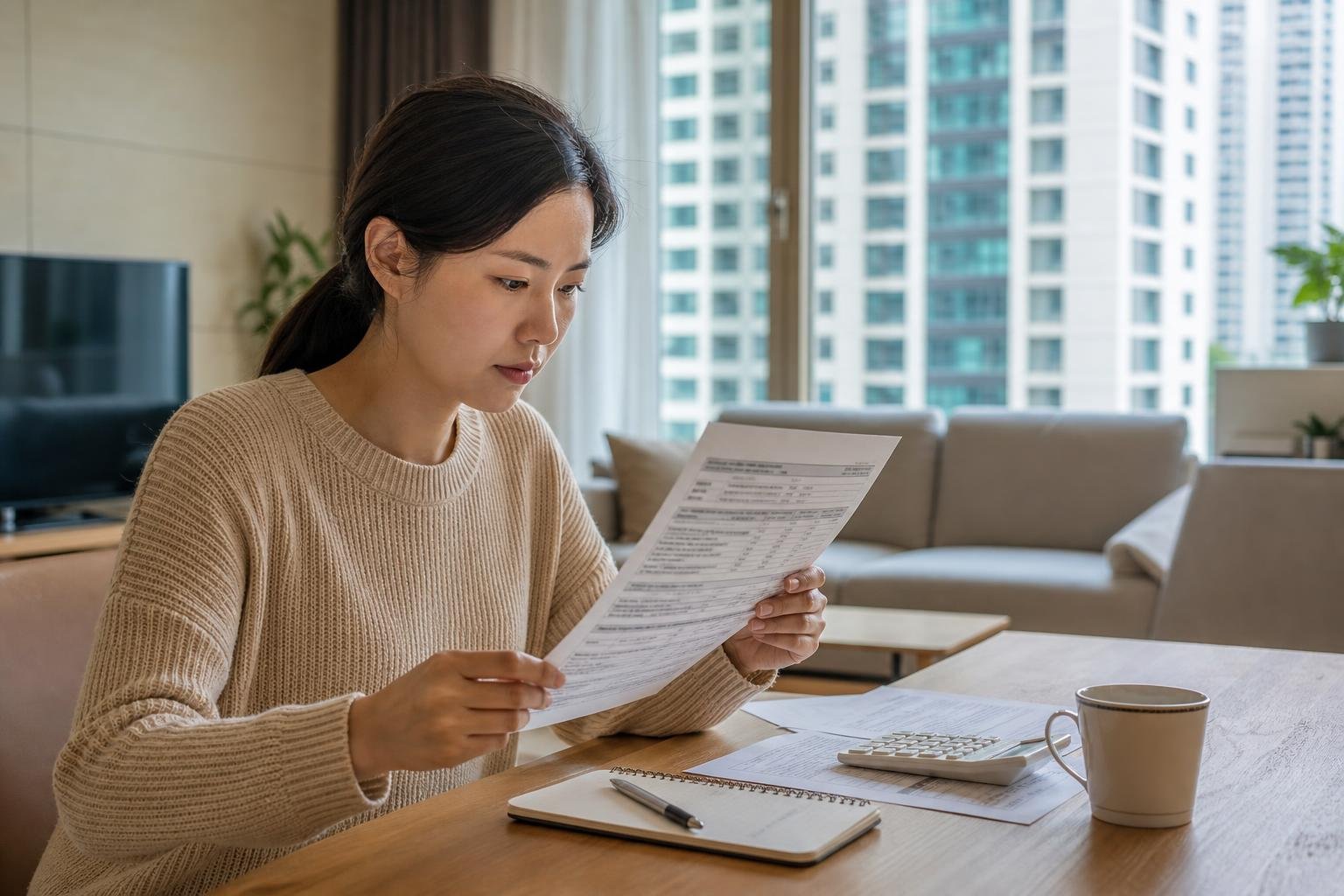
Tenant at a dining table comparing itemized utility and apartment management charges

Korean apartment management fees explained simply: the amount called gwanribi (관리비) on a monthly statement may combine common-area operating costs, household or shared utility charges, and separately classified items such as the long-term repair reserve. Do not assess the bill by its total alone. Check the individual categories, the billing period, and whether your heating … Read more

How Food Delivery Works in Korea for Foreigners

Food courier checking an apartment building number beside a delivery scooter in Seoul

Food delivery in Korea is easy once the address, access instructions, phone verification and payment method are set up correctly. The difficult part for foreigners is usually not finding a restaurant. It is giving the courier a location they can actually reach, using an app that accepts your phone number and card, and staying available … Read more