Korean Soup and Stew Differences: How to Read a Restaurant Menu
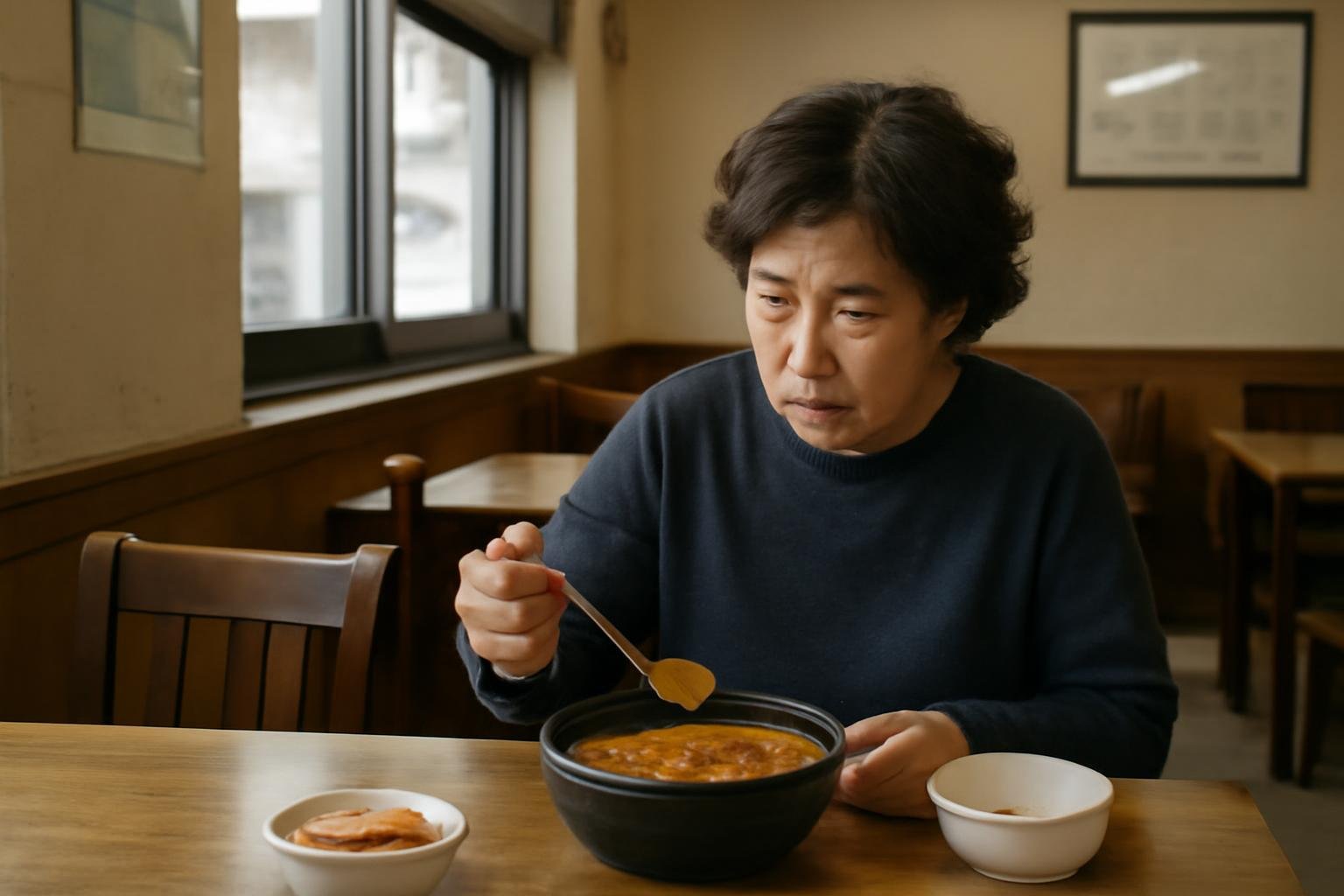
A Korean restaurant table with bubbling jjigae, clear guk, and a shared jeongol hot pot

Korean menus often place several hot, savory dishes under the broad English heading “soup,” but Korean diners distinguish among them more precisely. The most useful terms to recognize are 국 (guk), 탕 (tang), 찌개 (jjigae), and 전골 (jeongol). They overlap, and restaurants do not always use the categories rigidly, but each suggests a different balance … Read more

How to Navigate South Korean Hiking Trails and Mountain Parks

Hikers following a forested mountain trail with Seoul visible beyond the ridge

South Korean hiking trails range from short, paved walks beside Seoul subway stations to demanding mountain routes involving steep rock, exposed ridges, snow, and rapidly changing weather. The key to enjoying them is to treat a “mountain” as a network of separate trails—not one universally easy attraction. Check the exact route, current conditions, transport, and … Read more

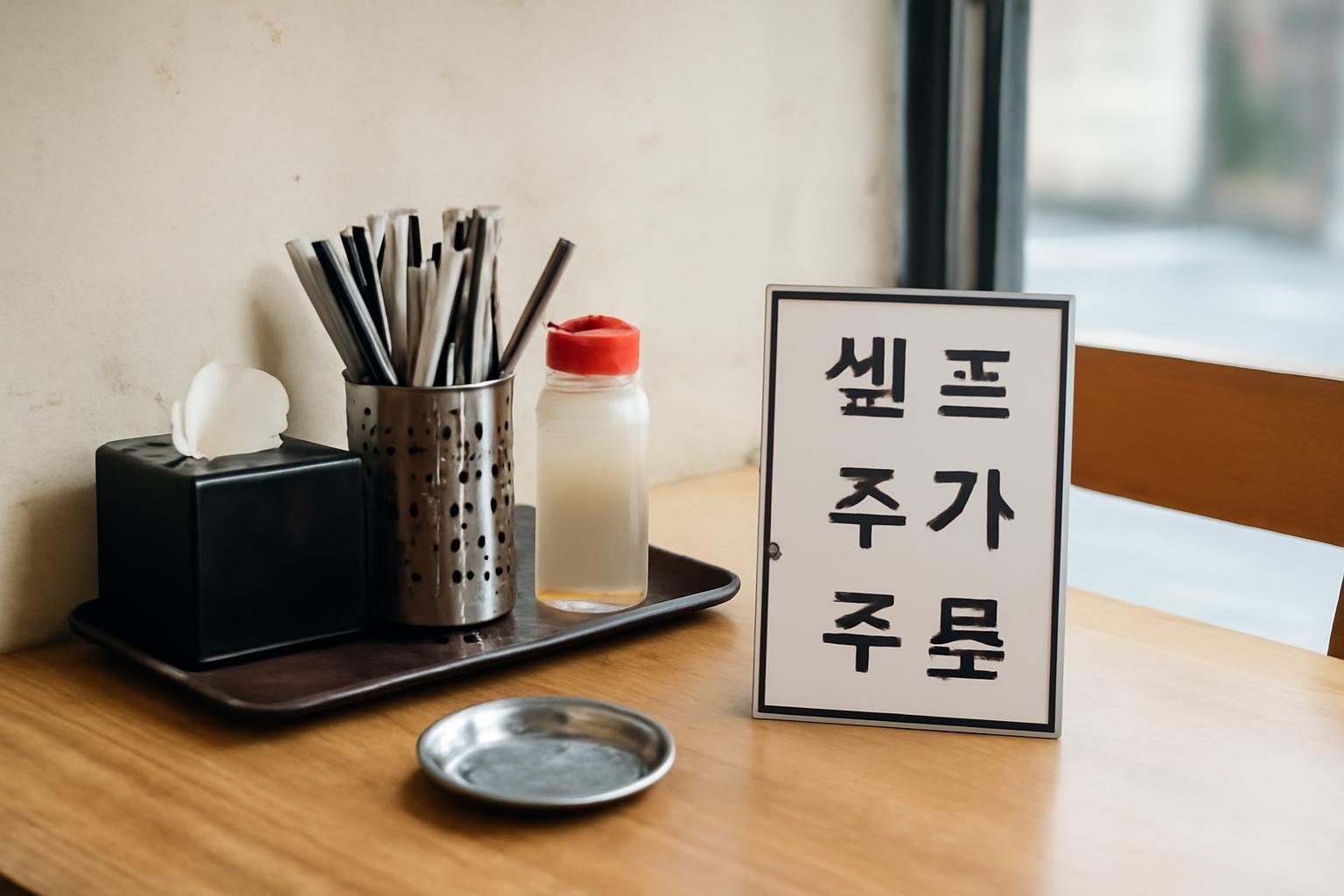
Korean Restaurant Table Words: A Practical Guide to Self-Service, Refills, and Ordering Signs

Korean restaurant table with side dishes, metal chopsticks, and a self-service sign

Korean restaurants often place short instructions on tables, walls, condiment containers, and self-service stations. The words are usually simple, but knowing them can make a meal much easier—especially when you need more side dishes, want to find the utensils, or are unsure whether something is included. This guide covers practical Korean restaurant vocabulary you are … Read more

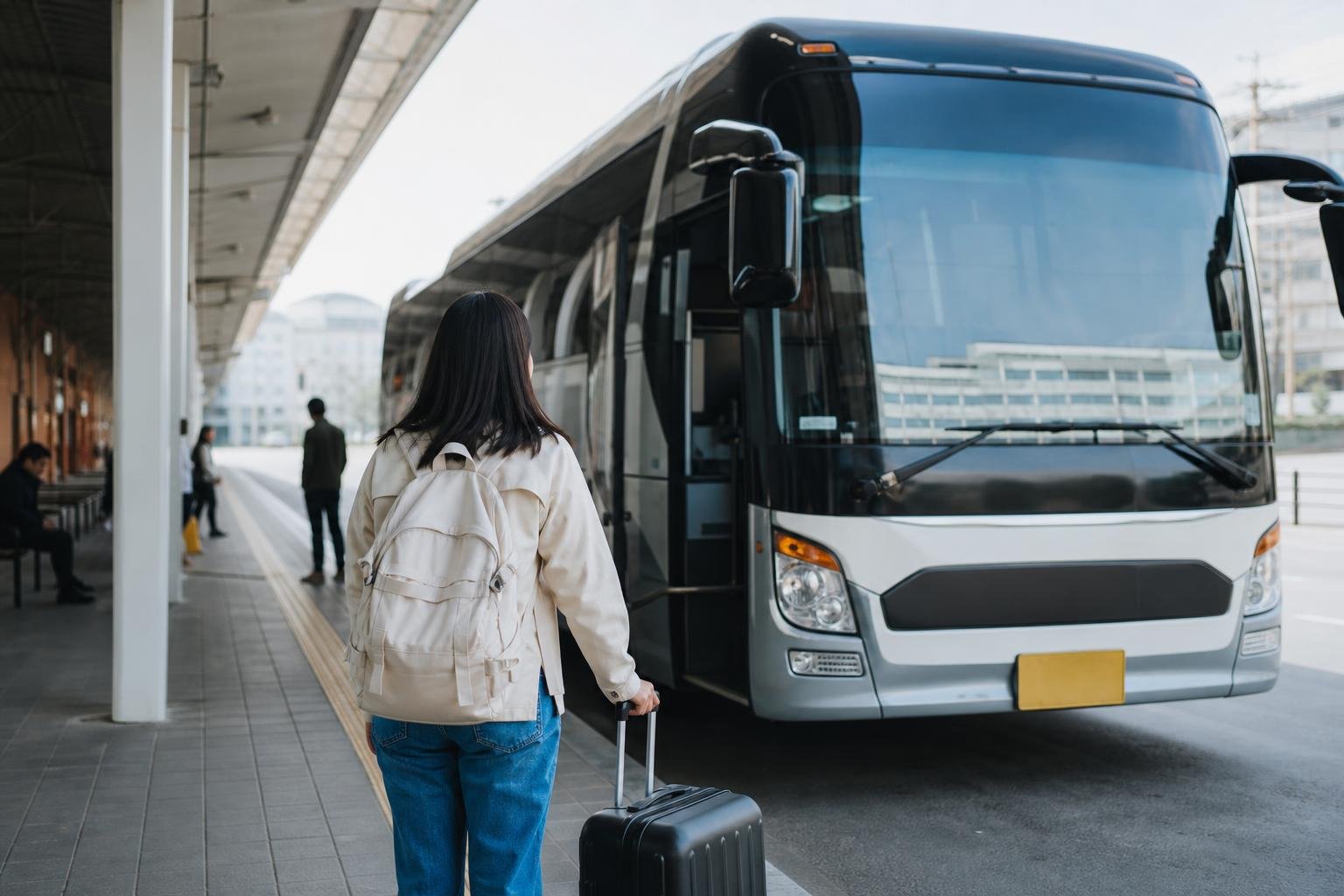
How to Take an Intercity or Express Bus in Korea

Travelers checking an electronic departures board inside a busy Korean long-distance bus terminal

The short version: search for your route before choosing a terminal, because Korea’s express and intercity bus systems may list different departures—and may use different terminals in the same city. Reserve a specific bus and seat, check the full departure-terminal name, and arrive early enough to find the correct boarding bay. Long-distance buses are especially … Read more

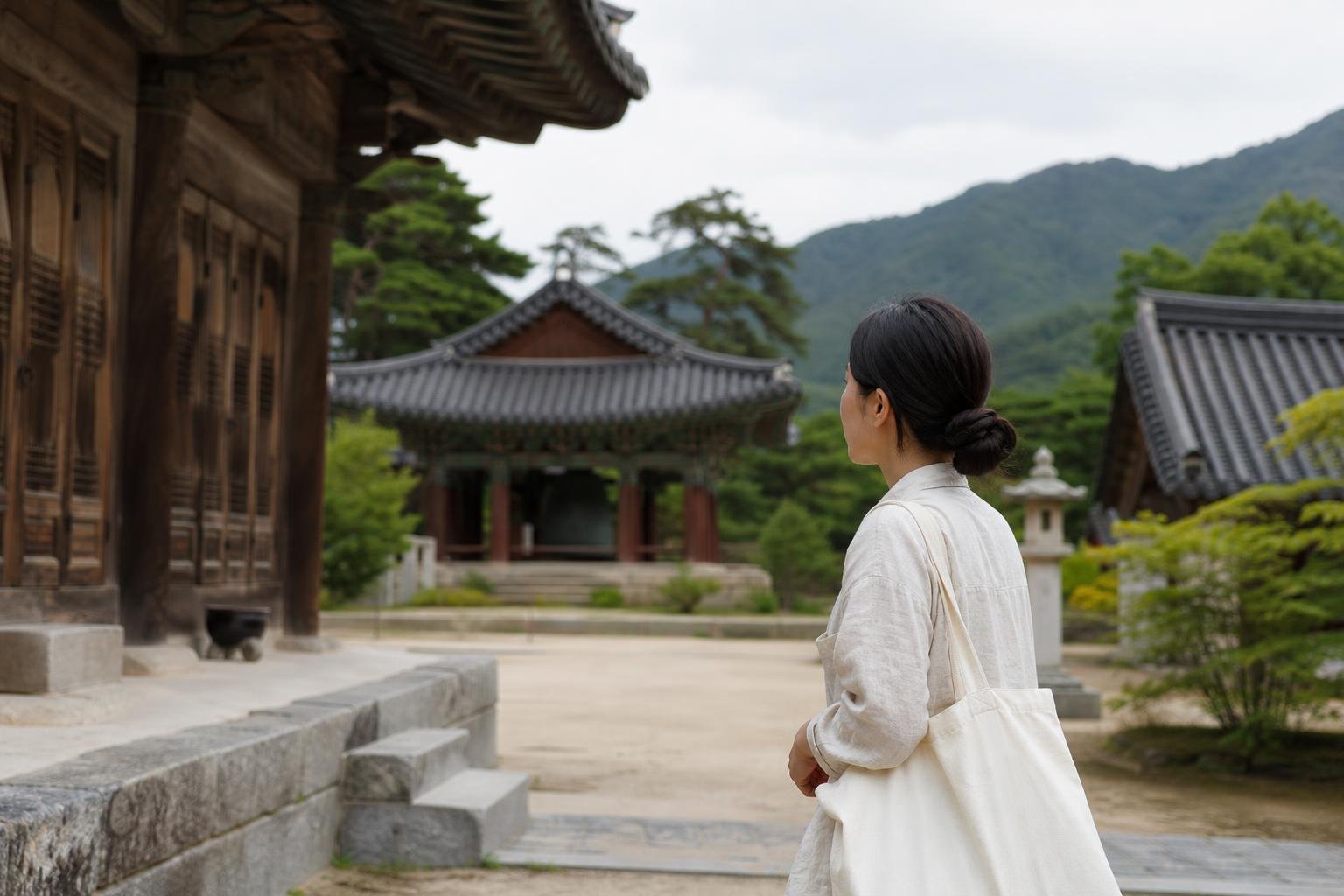
What to Know Before Visiting a Korean Temple or Buddhist Site

Travelers approaching the painted gate of a mountain temple in South Korea

A Korean Buddhist temple may be a major heritage attraction, an active monastery, a neighborhood place of worship, or all three at once. The basic etiquette is straightforward: speak quietly, dress neatly, follow posted instructions, and avoid interrupting anyone who is praying or working. You do not need to be Buddhist, perform prostrations, or understand … Read more

Why Convenience Stores Matter So Much in Everyday Korean Life

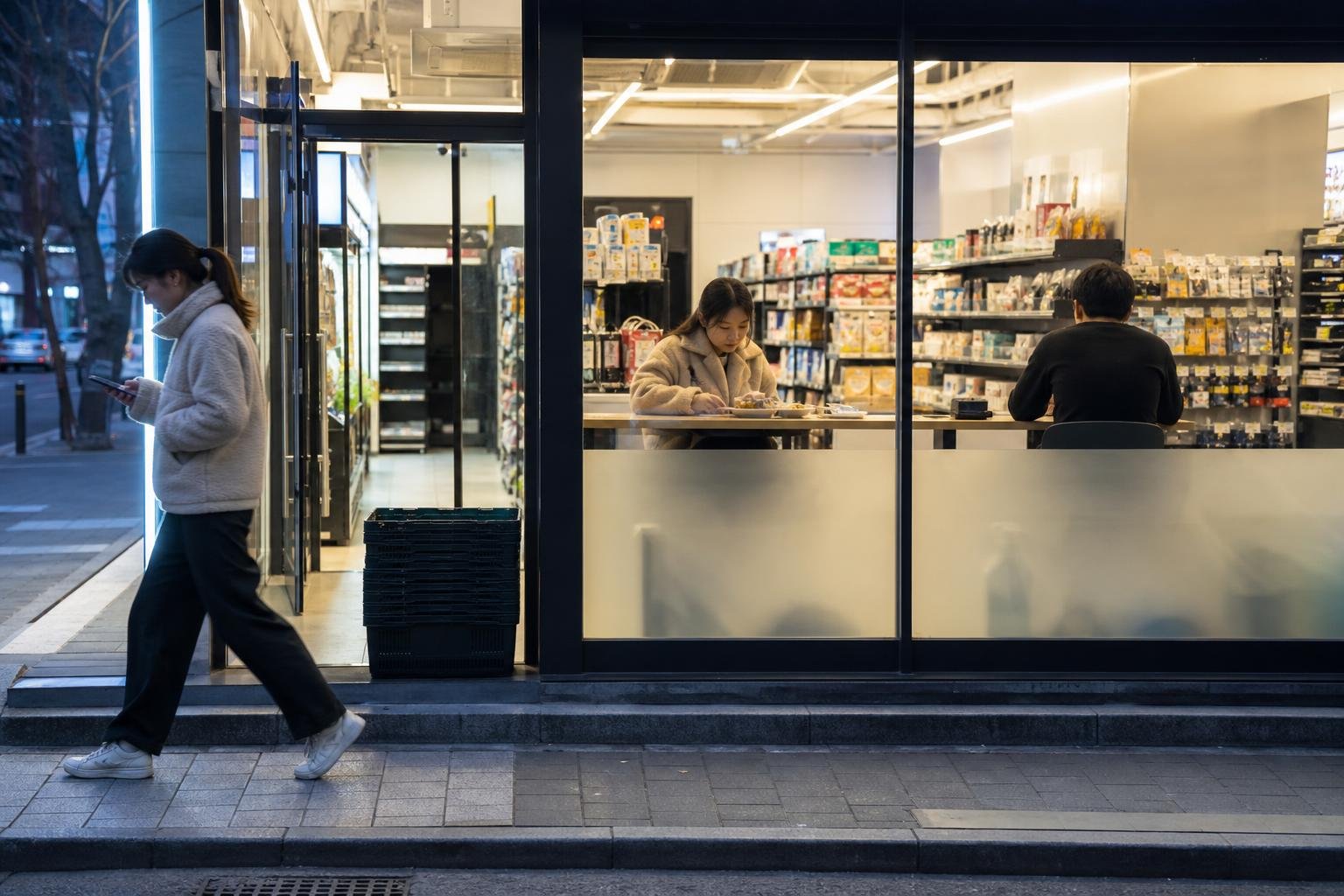
Illuminated convenience store beside apartment buildings on a Korean residential street at night

In South Korea, the convenience store is important because it fills small but frequent gaps in daily life. It can provide breakfast before an early commute, dinner after a late shift, an emergency umbrella, parcel shipping, an ATM, or simply somewhere to sit with a cup of noodles. By combining food, retail, and practical services … Read more

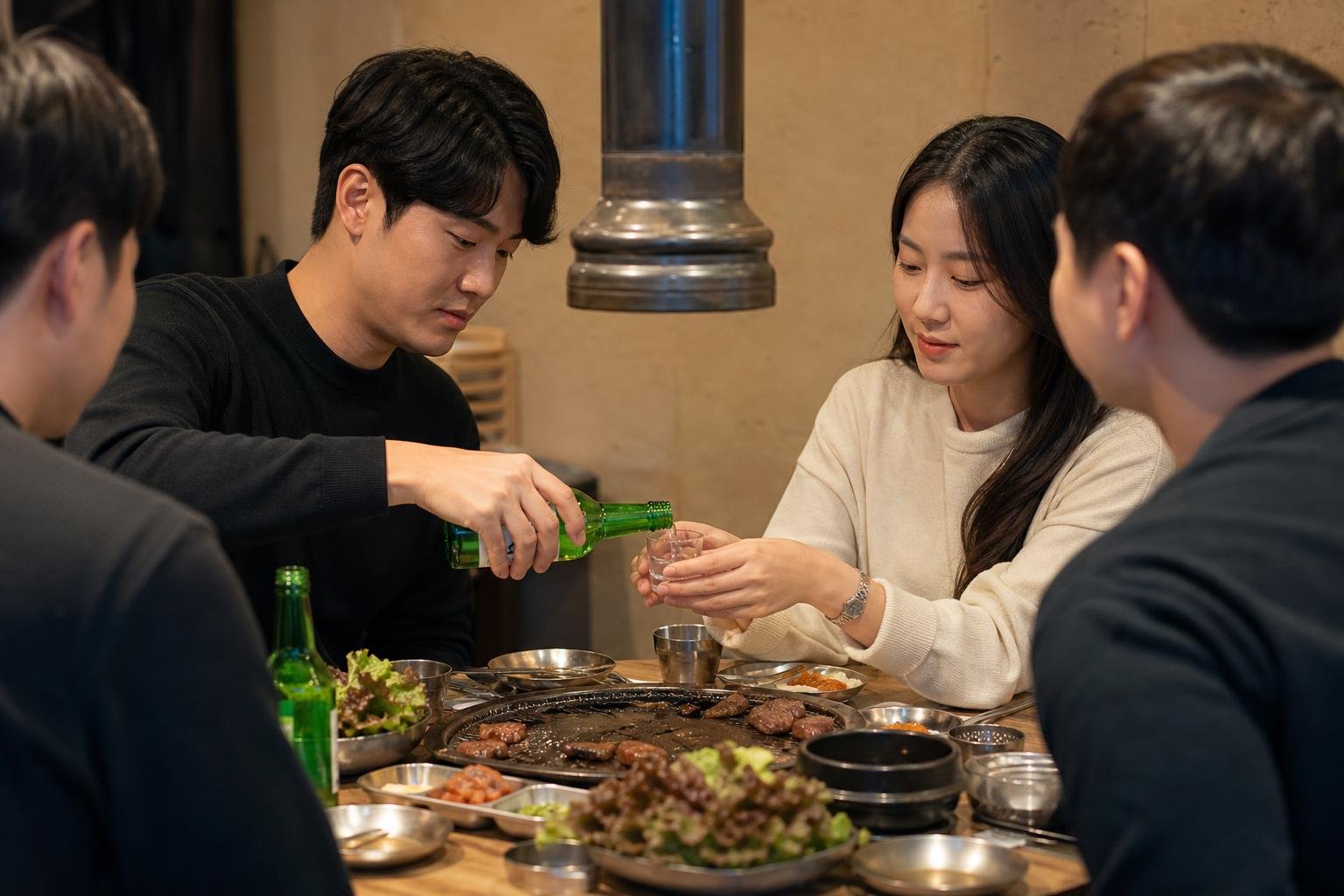
What Does Nunchi Mean in Korean Culture?

Friends at a Korean dinner table noticing that the evening is winding down

Nunchi (눈치, roughly noon-chee) means the ability to recognize another person’s feelings or understand a situation without being told directly. “Reading the room” is the closest everyday English equivalent, but nunchi also concerns timing and how you respond to what you notice. The National Institute of Korean Language defines it as understanding someone’s mind or … Read more